Robert De Niro and a Heated TV Interview: An Imagined Walkout That Raises Questions About Politics and Respect
Fictional entertainment scenario — The following story imagines a television confrontation involving Robert De Niro and the 2026 U.S. midterm elections. It is not a verified news report, and the dialogue and events described are fictional.
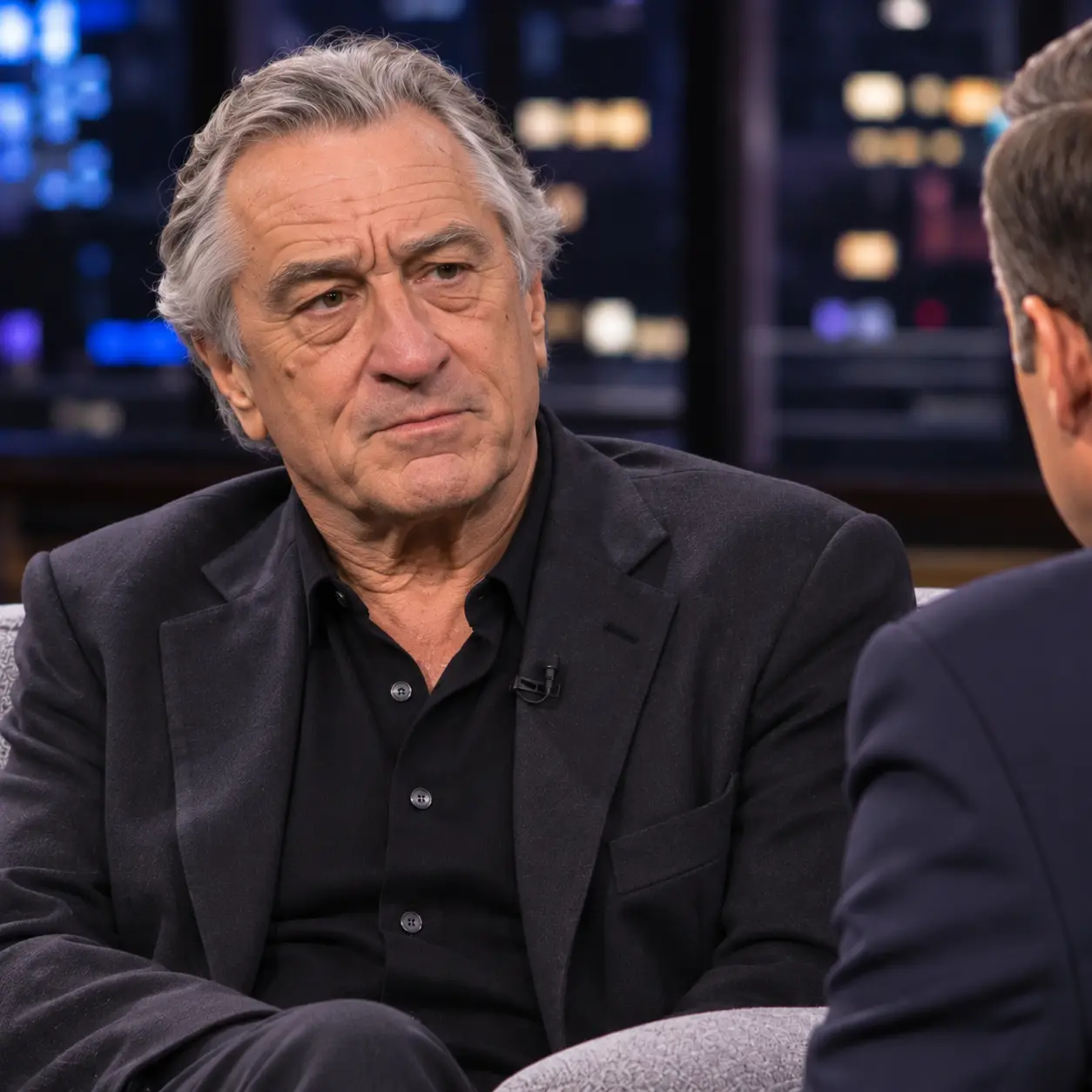
NEW YORK CITY — A television interview featuring Hollywood legend Robert De Niro takes an unexpected turn in this imagined scenario, transforming what begins as an ordinary conversation about cinema into a tense confrontation over politics, freedom of expression, and the responsibilities of public figures.
The fictional exchange unfolds inside a Manhattan television studio, where De Niro has been invited to discuss his remarkable career, the evolution of American filmmaking, and the relationship between art and society.
However, the atmosphere changes when the interviewer introduces a controversial question about the results of the 2026 United States midterm elections.
What follows is a dramatic confrontation that leaves the imagined studio audience stunned and raises a broader question: How much political responsibility should celebrities carry when speaking publicly?
At the beginning of the fictional interview, De Niro appears relaxed and attentive. Dressed in a dark suit, he sits opposite the host while cameras capture their conversation.
The discussion initially focuses on his decades in Hollywood, including the challenges of portraying complicated characters and the importance of artistic independence.
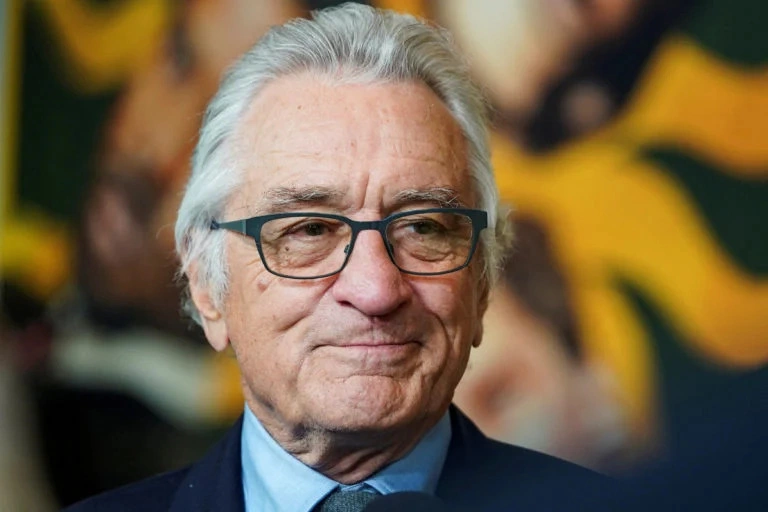
For several minutes, the atmosphere remains professional.
Then the interviewer changes direction.
Instead of asking another question about filmmaking, the host challenges De Niro's willingness to discuss American politics and suggests that entertainers sometimes use controversial political statements to attract publicity.
The actor's expression becomes noticeably more serious.
In this fictional exchange, De Niro responds by emphasizing that being an entertainer does not prevent someone from expressing personal convictions.
He argues that actors, musicians, athletes, and other public figures remain citizens with the same fundamental rights as everyone else.
The host, however, refuses to abandon the subject.
He asks whether outspoken celebrities should accept responsibility when their political comments influence audiences who admire them.
De Niro pauses before responding.
The fictional conversation becomes increasingly uncomfortable as the two men disagree about the relationship between fame and political influence.
The actor maintains that public figures should be allowed to participate in national discussions without having their motives automatically questioned.
The interviewer counters that celebrity status can amplify political messages far beyond the reach of ordinary citizens.
Their disagreement exposes a genuine tension within American public life.
Celebrities possess enormous cultural influence, yet they are not elected representatives. Their opinions can attract widespread attention, but popularity does not necessarily establish political expertise.
For entertainers who choose to speak about elections, this creates a difficult balance between personal expression and public responsibility.
As the imagined interview continues, the host asks another pointed question.
He suggests that some celebrities criticize political developments without fully understanding the concerns of ordinary voters.
De Niro reacts sharply.
In the fictional scene, he leans forward and challenges the suggestion that professional success makes someone incapable of understanding national problems.
His voice grows firmer as he explains that public debate should focus on arguments rather than assumptions about a person's occupation.
The studio audience becomes unusually quiet.
What began as a routine entertainment interview now resembles a heated political debate.
The host attempts to regain control by repeating his question, but the actor appears increasingly frustrated.
For a moment, neither man speaks.
Then De Niro delivers what becomes the defining statement of this imagined confrontation:
"Respect does not require agreement, but every conversation deserves basic human dignity."
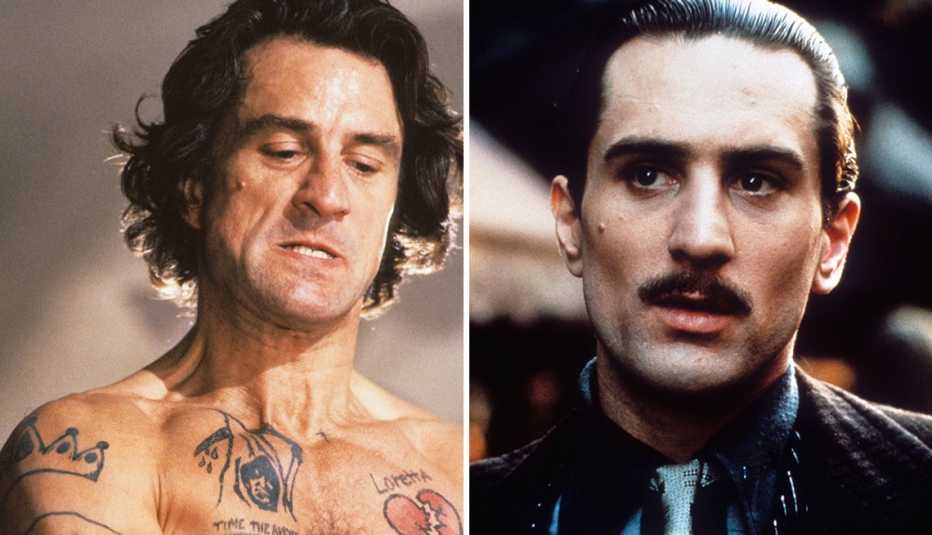
The fictional remark captures the central issue behind the dispute.
Political disagreements are unavoidable in a democracy. However, the manner in which people express those disagreements can determine whether a conversation produces understanding or merely intensifies hostility.
The interviewer responds by insisting that challenging a guest's opinions is part of his professional responsibility.
De Niro acknowledges the importance of difficult questions but argues that a meaningful interview should not become a contest designed to provoke an emotional reaction.
The exchange grows more tense.
When the host presses him again, De Niro shakes his head and briefly looks away.
He then announces that he no longer wishes to continue the discussion.
In this fictional sequence, the actor stands, removes his microphone, places it on the chair, and walks toward the studio exit.
Several audience members exchange surprised looks.
The host remains seated, apparently uncertain whether the departure is temporary or final.
The cameras continue recording as De Niro disappears from view.
Within the imagined television narrative, the dramatic walkout immediately becomes the moment everyone remembers.
Yet the broader significance of the scene extends beyond the confrontation itself.
It reflects the complicated relationship between entertainment, political identity, and modern media.
Robert De Niro has long been associated with memorable performances in films exploring power, morality, ambition, and human conflict.
His work has helped establish him as one of the most recognizable figures in American cinema.
Outside his acting career, he has also publicly expressed political opinions, demonstrating that his interests extend beyond filmmaking.
That background makes a fictional television confrontation involving politics a recognizable dramatic premise, although it does not establish that this particular incident occurred.
The imagined walkout also illustrates how easily televised disagreements can become spectacles.
In an environment shaped by short video clips, dramatic headlines, and rapidly circulating social media posts, a few seconds of visible frustration can overshadow a much longer conversation.
Viewers may remember the raised voices, the abrupt departure, and the shocked expressions while forgetting the arguments that originally caused the disagreement.
That raises an important question about contemporary political communication.
Are audiences being encouraged to understand competing perspectives, or simply to choose sides in increasingly emotional confrontations?
The answer depends partly on how journalists, entertainers, and viewers approach difficult subjects.
Interviewers have a legitimate responsibility to ask challenging questions, especially when guests make public political statements.
At the same time, difficult questions need not become personal attacks.
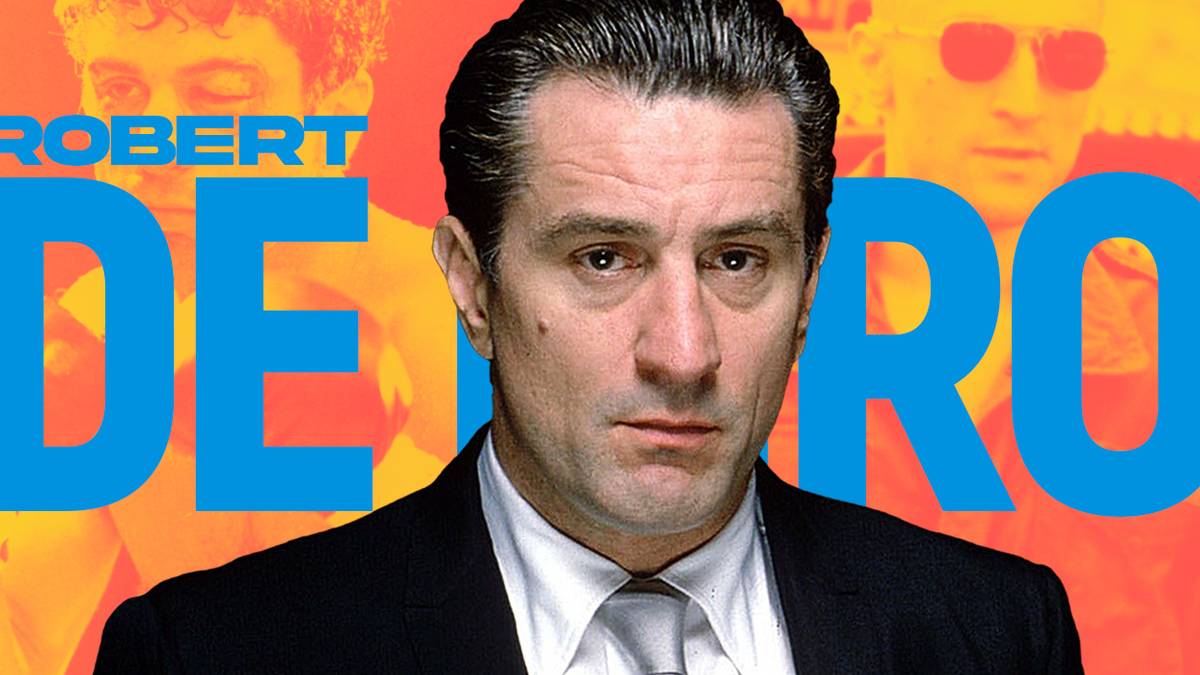
Public figures also face a responsibility to communicate clearly and recognize the influence their words may carry.
Neither obligation eliminates the possibility of disagreement.
Indeed, disagreement can become productive when participants remain willing to listen.
The fictional De Niro interview demonstrates what happens when that willingness appears to disappear.
By the conclusion of the imagined encounter, neither participant has persuaded the other.
Instead, the discussion ends abruptly, leaving viewers with unanswered questions about political expression, media responsibility, and mutual respect.
Perhaps that is the most meaningful element of the story.
The confrontation is not ultimately about whether one celebrity supports or opposes a particular political position.
It is about whether Americans with different beliefs can continue speaking to one another without treating disagreement as hostility.
For an actor whose career has explored some of the most complicated aspects of human behavior, the fictional moment offers a dramatic illustration of a familiar conflict.
Words carry consequences. Emotions can overwhelm reason. And sometimes, walking away feels easier than continuing a difficult conversation.
But the larger challenge remains unchanged.
A healthy public debate requires more than strong convictions. It also requires patience, accountability, and the willingness to recognize another person's humanity.
In this imagined television drama, Robert De Niro's departure ends the interview. The questions it raises about respect and political discourse, however, remain open long after the studio cameras stop recording.