Ella Langley’s Hypothetical Television Showdown Sparks Questions About Fame, Politics, and Personal Convictions
A dramatic television interview scenario involving country music star Ella Langley has captured the imagination of entertainment audiences. In this fictionalized account, the singer finds herself facing an increasingly uncomfortable exchange after a television host raises a provocative question about the 2026 U.S. midterm election results. What begins as a seemingly ordinary conversation gradually turns into a tense discussion about public responsibility, personal beliefs, and the expectations placed on celebrities. When the interviewer continues pressing her, Ella makes the imagined decision to end the interview and leave the studio, creating a dramatic television moment.
The scenario places the country singer in an unfamiliar position. Known for her distinctive musical style, emotional performances, and growing presence in country music, Ella has built a connection with listeners who appreciate the honesty and personality reflected in her work. However, the fictional interview explores what might happen when an entertainer is suddenly expected to address subjects extending far beyond music.
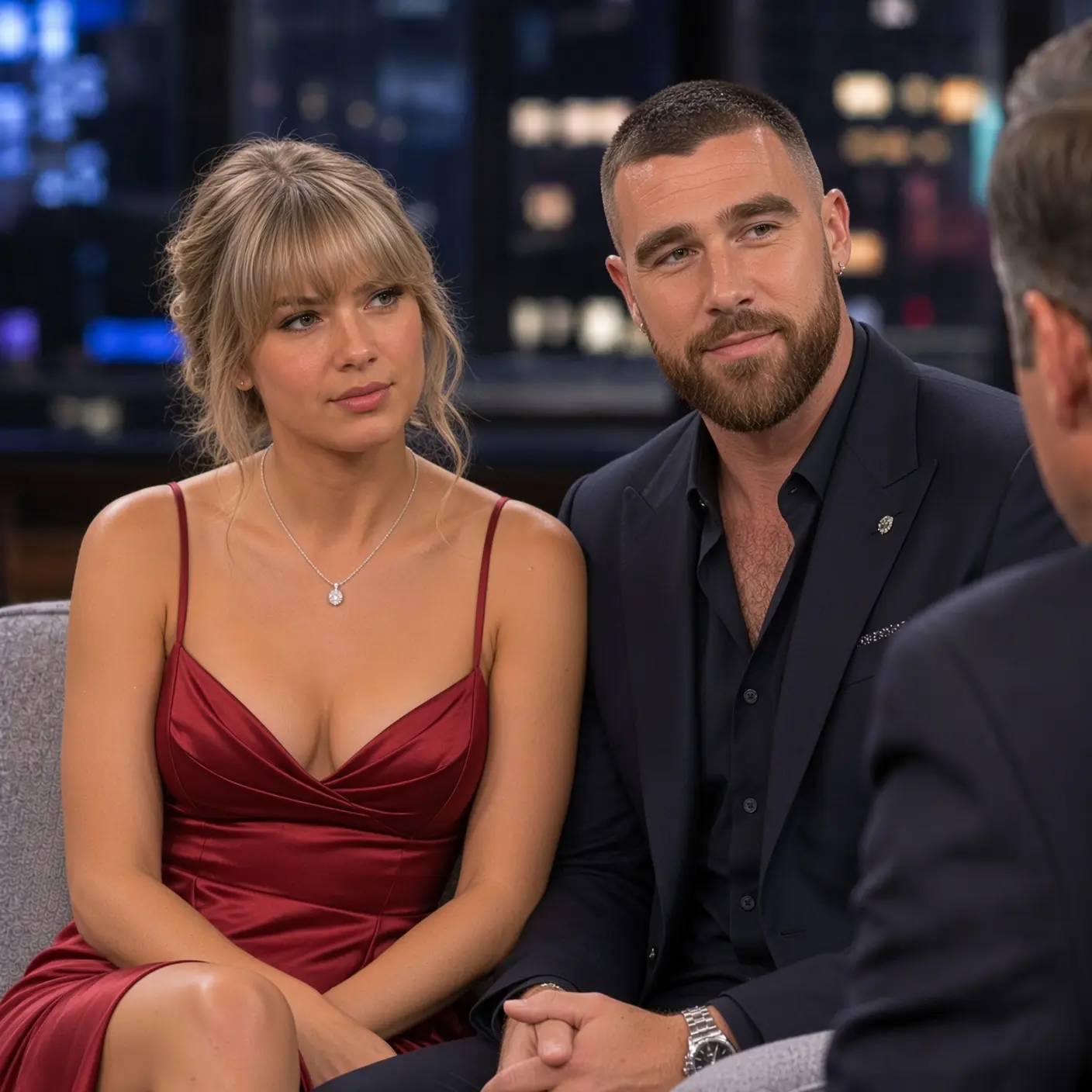
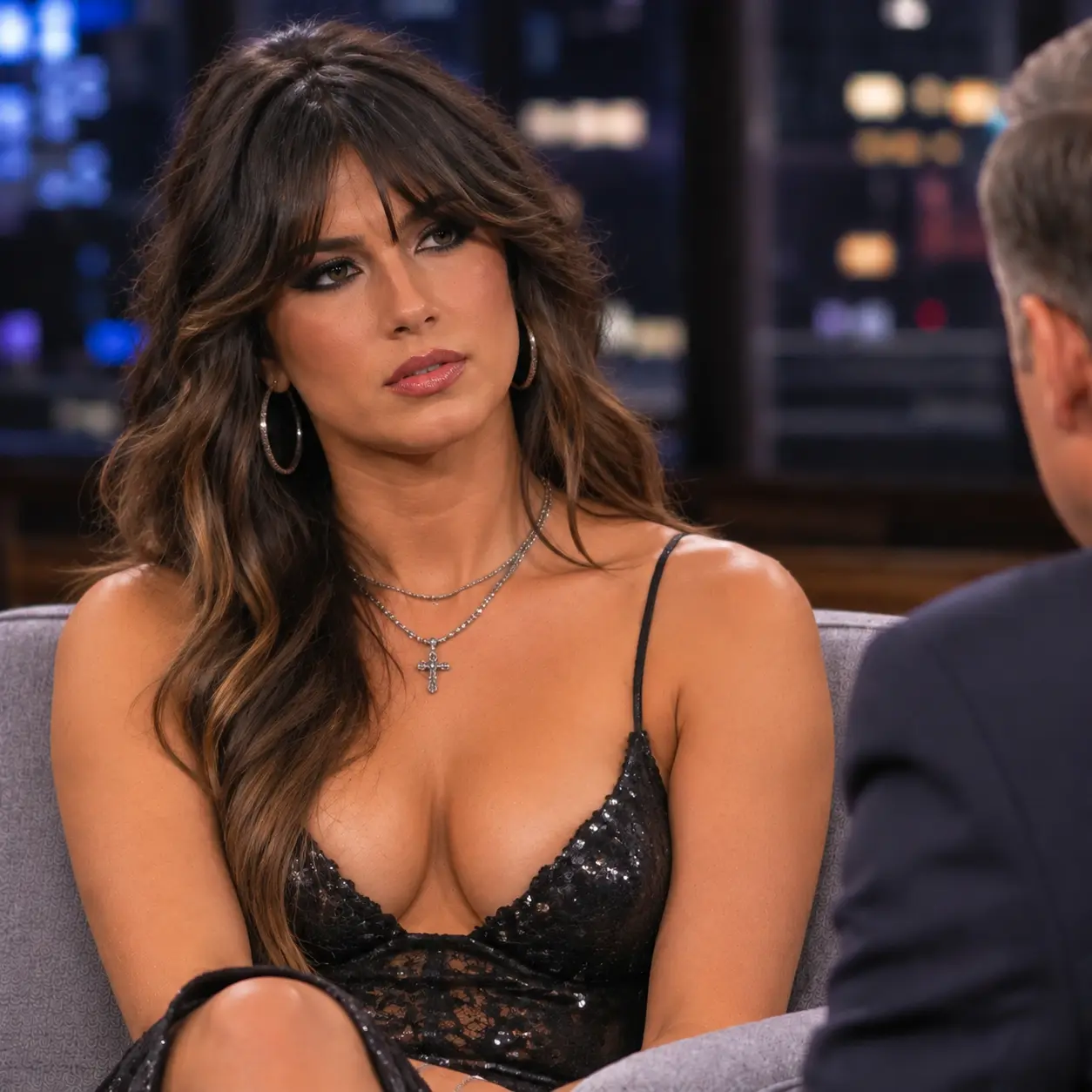
The imagined confrontation begins in a brightly illuminated television studio in New York City. Ella arrives prepared for what appears to be a conventional entertainment interview. The atmosphere is relaxed, the audience is attentive, and the host initially focuses on her musical journey, recent performances, and growing recognition within the country music industry.
For a moment, everything seems ordinary.

The conversation touches on the challenges of building a career, the pressure of maintaining a public image, and the importance of staying connected with fans. Ella is imagined responding comfortably, sharing thoughts about songwriting and the experiences that have influenced her artistic development.
Then the conversation takes an unexpected direction.
The host introduces the subject of the 2026 midterm elections and asks a provocative question about the influence of entertainers on American political discussions. The question changes the atmosphere almost immediately. Instead of continuing with the lighter subjects that initially defined the interview, the conversation becomes more serious.
Ella pauses before responding.
In this fictionalized scenario, her expression becomes noticeably more serious as she considers the question. She appears uncomfortable with the direction of the discussion, particularly as the interviewer attempts to connect her musical career with broader political expectations.
The moment highlights an increasingly familiar challenge for entertainers. Public figures are frequently asked to comment on controversial subjects, even when their professional identities are rooted in completely different industries. Musicians, actors, athletes, and other celebrities can find themselves facing questions about political developments simply because their popularity gives their opinions considerable visibility.
For country artists, this relationship between music, personal identity, and public expectations can be especially complicated. Country music has traditionally provided a platform for storytelling about family, relationships, hometowns, personal struggles, and American life. Many listeners develop strong emotional connections with artists because their songs reflect experiences that feel familiar.
Ella Langley's musical identity is closely connected to that tradition of emotional storytelling. Her growing popularity has introduced her to audiences who appreciate songs that combine contemporary country influences with an expressive and recognizable personality.
However, being a successful musician does not necessarily mean someone wants every public appearance to become a political discussion.
As the fictional interview continues, the host attempts to obtain a more direct answer. The questions become increasingly persistent, and the atmosphere grows uncomfortable. Ella is imagined responding more firmly, emphasizing the importance of respecting individual perspectives and allowing entertainers to determine which subjects they feel comfortable discussing.
The host does not immediately move on.
Instead, another question follows, pushing the discussion further into territory that the singer appears unwilling to explore. The studio audience watches as the exchange becomes more intense. What was originally intended to be a conversation about music has now become an imagined confrontation over personal boundaries and public expectations.
The emotional turning point arrives when Ella decides that continuing the interview is no longer worthwhile.
In this fictional account, she ends the conversation, rises from her chair, and prepares to leave the studio. Her expression communicates frustration, while the host appears surprised by the unexpected decision. Audience members watch quietly as the interview comes to an abrupt conclusion.
The imagined departure creates the kind of dramatic television moment that would naturally attract attention across entertainment platforms.
Yet the more interesting subject is not simply a celebrity walking away from an uncomfortable conversation. It is the broader question of how much access the public should expect to have to the personal beliefs of entertainers.

Celebrities occupy a unique position in modern society. Their professional achievements can give them enormous influence, but that influence also comes with constant scrutiny. Every interview, social media post, public appearance, and personal decision can become material for discussion.
For an emerging country music star, managing that attention can be particularly demanding. Building a successful career requires dedication to music, touring, recording, promotion, and maintaining relationships with fans. At the same time, the entertainment industry frequently rewards dramatic moments that attract headlines and generate online engagement.
This creates an environment in which even an ordinary disagreement can become a major talking point.
The fictional confrontation also raises questions about the responsibilities of television hosts. Interviewers have an important role in asking challenging questions and encouraging meaningful conversations. Difficult subjects should not automatically be avoided simply because they might make a guest uncomfortable.
However, there is a distinction between asking a challenging question and repeatedly pressing someone after they have clearly indicated that they do not wish to continue discussing the subject.
Respectful interviewing requires both curiosity and judgment. A host must balance the public's interest in a particular topic with the guest's right to establish personal boundaries.
Ella's imagined reaction illustrates that tension. Her decision to leave becomes a symbolic moment about personal independence, even though the scenario itself should not be mistaken for a verified real-world television incident.
The situation also reflects the changing relationship between country music and mainstream entertainment. Artists who once reached audiences primarily through radio, live performances, and traditional music publications now communicate with fans through social media, streaming platforms, television appearances, and digital communities.
That increased visibility creates opportunities for musicians to expand their careers, but it also exposes them to expectations that can extend far beyond their creative work.

For fans, the hypothetical interview provides an opportunity to consider what they value most in an artist. Some listeners prefer musicians who openly discuss their personal beliefs, while others would rather focus on the music itself. Neither expectation should automatically determine how an entertainer chooses to participate in public discussions.
Ultimately, this imagined television confrontation involving Ella Langley is about more than a tense interview. It explores the complicated relationship between celebrity culture, journalism, personal convictions, and the right to privacy.
The most important question is perhaps a simple one: should an artist be expected to answer every difficult question simply because millions of people recognize their name?
In a world where entertainment headlines spread rapidly and public reactions can become overwhelming, the answer deserves thoughtful consideration.
Ella Langley's musical journey remains the central part of her public identity. Her songs, performances, and connection with country music audiences are far more substantial measures of her career than any fictional television confrontation.
And that is ultimately what makes this hypothetical scenario worth discussing: it reminds audiences that behind every famous name is an individual who deserves to be treated with fairness, respect, and an understanding that personal boundaries still matter, even under the brightest television lights.