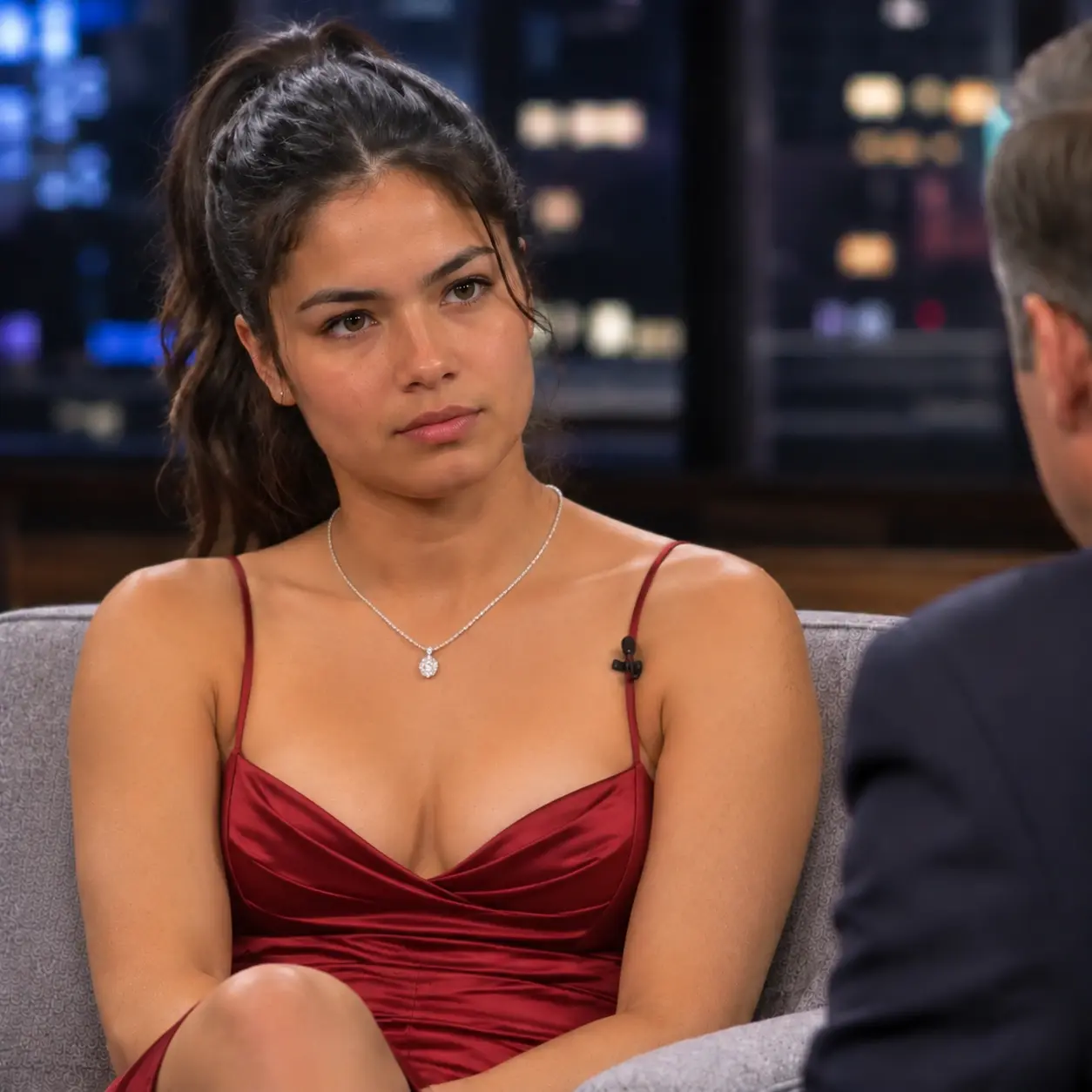
Emma Raducanu’s Imagined Television Showdown Sparks Debate Over Respect, Personal Convictions, and Public Responsibility
In this fictional entertainment-news scenario, Emma Raducanu finds herself at the center of an unexpected television confrontation in New York City. What begins as a discussion about America's political future and the 2026 midterm election results gradually develops into a tense exchange about personal beliefs, public expectations, and the boundaries between journalism and individual privacy. The imagined moment reaches its dramatic peak when the tennis star decides that she has had enough of the interview, leaving the studio audience stunned.
The scenario begins inside a prominent television studio in New York City. Bright studio lights illuminate the stage as Emma Raducanu sits opposite an experienced television presenter. Initially, the atmosphere appears relaxed and professional. Both participants seem prepared for a conventional conversation, and the audience anticipates an interesting discussion.
Emma, widely recognized for her achievements on the tennis court and her international profile, is portrayed as calm and composed. Her appearance reflects the professionalism associated with major television interviews. However, the atmosphere begins to change when the presenter introduces a provocative question concerning the 2026 American midterm elections.
The question catches Emma off guard. Although she initially listens carefully, her facial expression gradually becomes more serious. She appears uncomfortable with the direction of the conversation, particularly as the discussion moves away from her sporting career and toward sensitive political subjects.

The presenter continues, attempting to encourage a more detailed response. What might have been an ordinary exchange begins to feel increasingly confrontational. In this imagined scenario, Emma makes it clear through her expressions and gestures that she does not appreciate the repeated questioning.
The tension becomes more noticeable as the presenter attempts to return to the subject. Emma responds with greater intensity, emphasizing the importance of respecting personal boundaries and allowing individuals to decide which subjects they wish to discuss publicly.
For someone whose professional life has unfolded under intense international attention, the fictional situation highlights the complicated relationship between celebrity, media expectations, and personal identity.
Emma's career has demonstrated how quickly an athlete can become a global public figure. Her performances attract millions of viewers, while interviews, appearances, and public engagements create additional expectations. Yet being recognized internationally does not necessarily mean that every aspect of someone's personal life should become a subject of public discussion.
In the imagined television exchange, that distinction becomes the central issue.
As the conversation continues, the presenter asks another question, apparently hoping to obtain a stronger reaction. Emma's expression changes immediately. She leans forward, responds firmly, and gestures toward the presenter.
The studio audience watches closely. Some viewers appear surprised by the intensity of the exchange, while others remain silent, waiting to see whether the conversation will return to a more comfortable atmosphere.
The presenter attempts to maintain control of the interview, but Emma's frustration becomes increasingly apparent. Rather than continuing to answer questions that she considers inappropriate, she decides to bring the conversation to an end.
The fictional turning point arrives when Emma pauses, looks directly at the presenter, and makes her position clear. Her response is imagined as firm rather than rehearsed, conveying frustration with the direction of the discussion.
For several seconds, the studio becomes unusually quiet.
The presenter appears caught off guard. The audience looks toward the stage, recognizing that the interview has moved far beyond its original tone.
Emma then makes a decisive gesture, removes her microphone, and places it beside her chair. She stands up, adjusts her clothing, and takes a final look toward the presenter before walking away from the interview area.
The cameras remain focused on the stage as the audience watches the unexpected departure. No dramatic music is necessary to communicate the tension. The silence, surprised expressions, and unfinished conversation provide all the drama the imagined scene needs.
The fictional confrontation also raises broader questions about the responsibilities of television presenters when interviewing athletes and entertainers.
Journalists have an important responsibility to ask challenging questions, particularly when discussing subjects that affect public life. However, meaningful journalism also depends on maintaining professional standards and recognizing the difference between legitimate questioning and unnecessarily confrontational behavior.
An interview should create an opportunity for discussion rather than become a competition to provoke the strongest possible reaction.
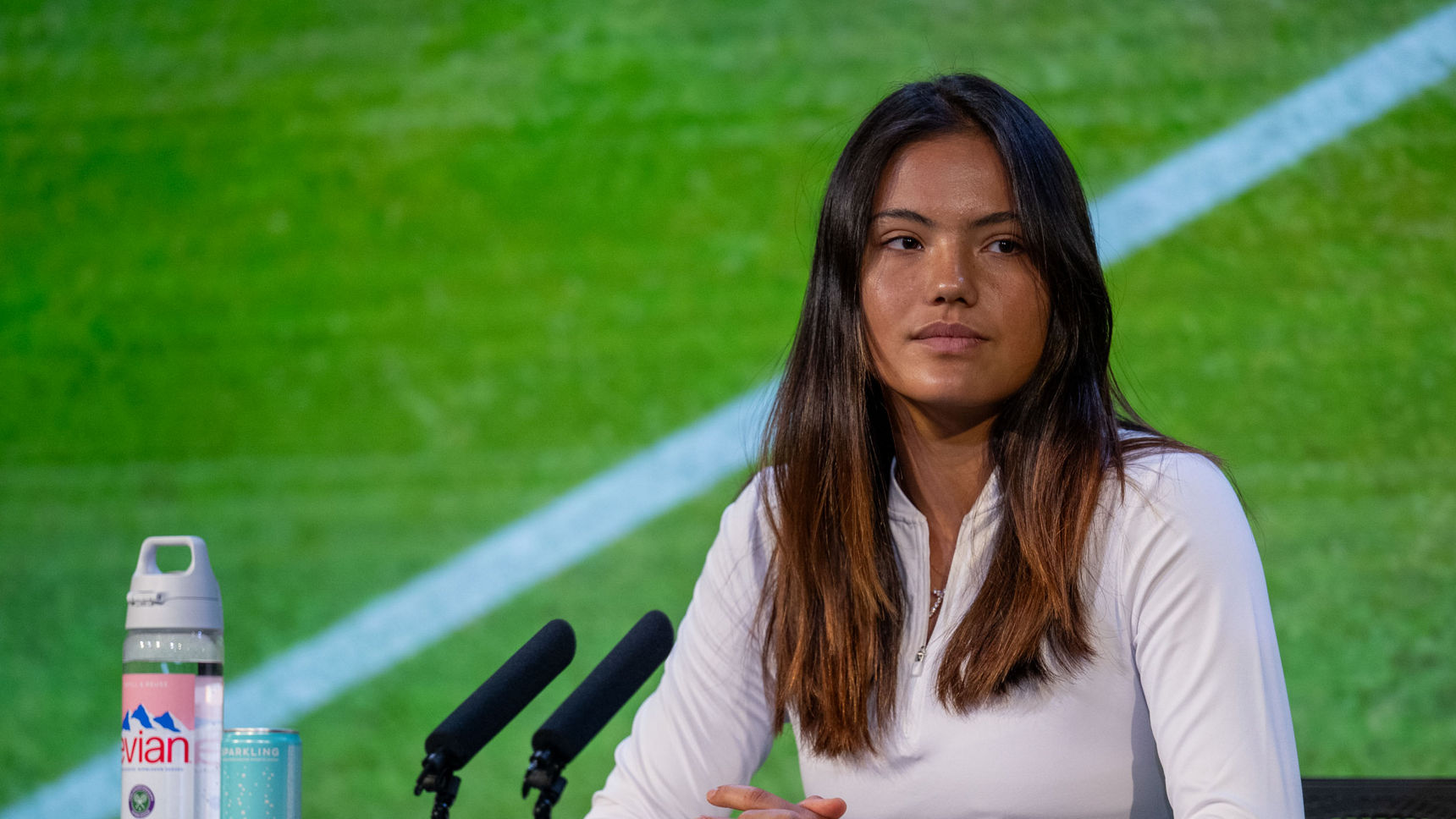
For athletes, the challenge can be particularly complicated. Their professional achievements often place them in situations where audiences expect them to discuss subjects beyond their sporting careers. Some athletes willingly participate in broader conversations, while others prefer to concentrate on their professional responsibilities.
Neither approach should automatically be interpreted as a lack of interest or concern.
In Emma's imagined situation, her decision to leave becomes a symbolic moment about personal boundaries. It suggests that individuals should have the ability to determine how they participate in public conversations, even when the circumstances are uncomfortable.
The scenario also illustrates how quickly a short television exchange could become a major topic of online discussion. Viewers might share clips, debate the presenter's approach, and discuss whether Emma's imagined reaction was justified.
Some might argue that guests should remain available to answer difficult questions once they agree to participate in an interview. Others might believe that leaving is a reasonable response when a conversation becomes disrespectful or unnecessarily aggressive.
These different perspectives would likely generate an intense discussion among sports fans and television audiences.
Nevertheless, the most important consideration is that the scenario remains fictional. There is no verified evidence that Emma Raducanu actually confronted a television host over the 2026 midterm election results or walked out of a New York interview under these circumstances.
Beyond the imagined controversy, Emma's public identity remains closely associated with her tennis career, determination, and experiences competing at the highest level. Her journey illustrates the pressures that accompany international recognition and the importance of maintaining a sense of individuality outside professional achievements.
Ultimately, the imagined television showdown offers a broader reflection on respect, communication, and personal boundaries. Difficult questions are sometimes necessary, but the way those questions are asked can determine whether a conversation becomes meaningful or unnecessarily hostile.
And perhaps the strongest message behind this fictional moment is simple: Respect should never disappear just because the cameras are rolling.

 🚨⚖️💔 DAN CAMPBELL LEAVES LOS ANGELES COURTHOUSE IN TEARS — HIS EMOTIONAL STATEMENT STUNS EVERYONE AS AN UNEXPECTED PERSONAL STORY UNFOLDS