Beyond the Music: Why a Question About Latino Families and Stereotypes Left Marc Anthony Visibly Moved
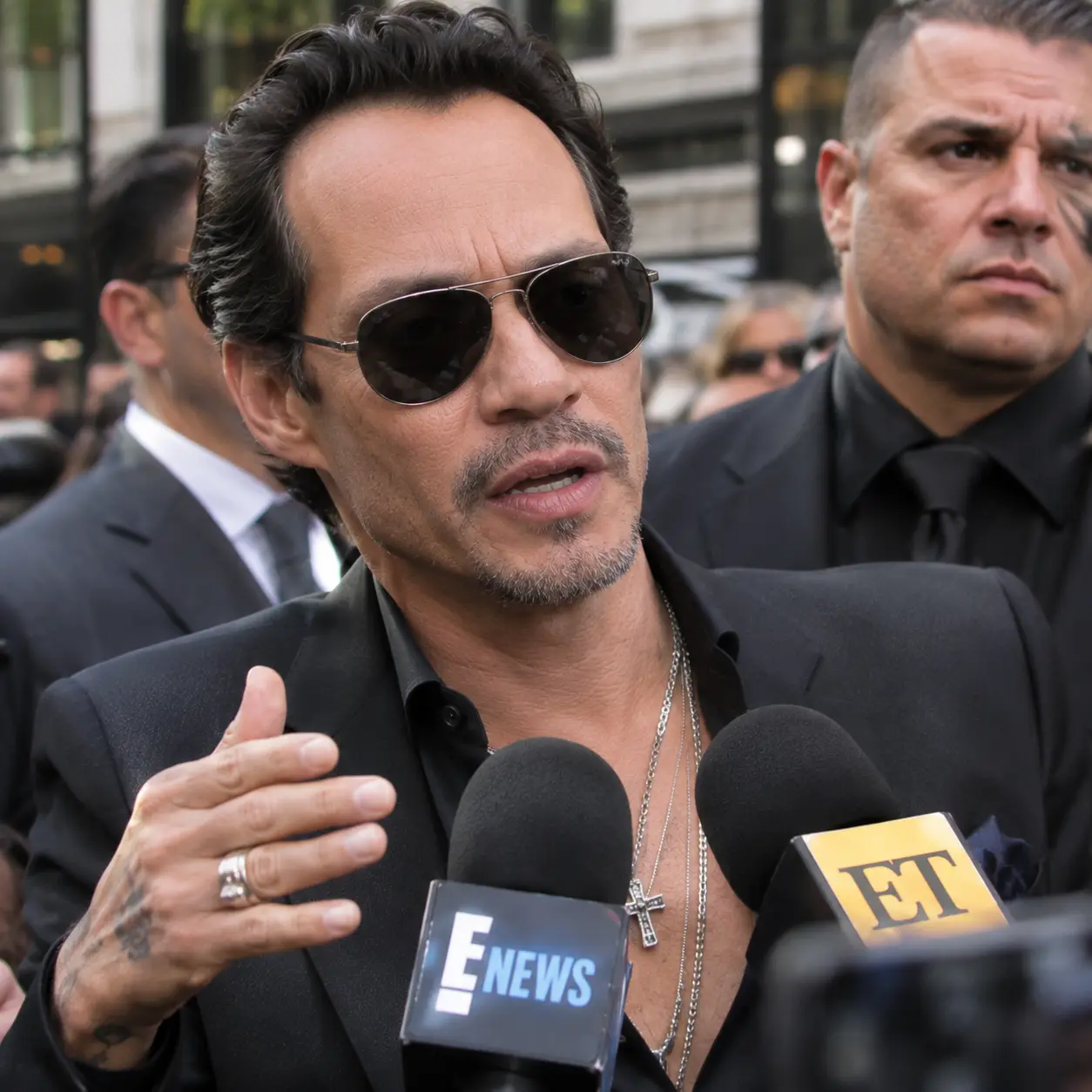
The studio lights in New York dimmed to a warm, intimate glow during a candid town-hall conversation on music, cultural heritage, and belonging in America. For nearly forty minutes, Marc Anthony—born Marco Antonio Muñiz in East Harlem to Puerto Rican parents—spoke with his familiar passion and wit: sharp, candid, and fiercely proud of his roots. Then, the moderator shifted toward the November 2026 midterm elections and asked what weighs heaviest on his heart when he sees how immigration debates and unfair stereotypes still affect hardworking Latino families today. Suddenly, the global salsa icon fell quiet. His posture softened, his eyes glistened under the stage lights, and when he finally leaned toward the microphone, his voice carried a raw, unmistakable tremor.
In the months leading up to the 2026 election, few forces weighed heavier on Hispanic communities than harsh immigration rhetoric and sweeping stereotypes that cast entire neighborhoods under suspicion. While political pundits traded soundbites over border enforcement and partisan talking points on cable news, millions of taxpaying Latino workers, nurses, teachers, and small-business owners confronted a deeply painful everyday reality. Heated political framing blurred critical legal distinctions, fueling workplace bias, wary glances in public spaces, and lingering anxiety over documentation checks even for longtime residents and citizens. For families dedicating their lives to building stronger neighborhoods, divisive rhetoric was never a harmless campaign strategy—it was an everyday wound against their dignity.
Hardworking Latino families contribute every day to local neighborhoods across America.
To understand what that quiet unease looks like behind closed doors, consider the daily reality of households like Mateo and Lucia, a married couple in Texas who spend six days a week running a neighborhood auto-repair shop while raising two honor-roll children and volunteering at their local youth soccer league. Despite paying taxes faithfully, employing four local mechanics, and donating free car repairs to elderly neighbors, Mateo began carrying copies of his residency paperwork in his glove compartment every morning out of sheer precaution. Sitting at their kitchen table late at night after their kids went to sleep, Lucia quietly worried about the subtle coldness she sometimes felt at school meetings simply because of her accent. Their story mirrors millions of contributing families living under an undeserved shadow.
Countless parents work tirelessly while hoping their children grow up free from prejudice.
That human reality sat squarely at the center of the evening’s most emotional moment. Listening quietly on stage as the moderator read a letter from a teenage boy asking why people sometimes judge his hardworking parents before ever learning their names, Anthony went completely silent for nearly ten seconds. Having grown up in a working-class Puerto Rican household where dignity, generosity, and family pride were sacred, he exhaled slowly before answering in a hushed, choked voice. "When people who build our cities, care for our elders, and love this country have to walk around feeling like suspects because of their last name or their accent, something is deeply broken," he said softly, his voice cracking slightly on the final words. "We don't ask for special treatment—we just ask for basic respect and fairness."
Following the 2026 midterm elections, the shifting balance of power in Washington has sparked cautious hope that a fairer, more dignified approach to immigration policy and civil-rights protections could finally return to the legislative table. With incoming congressional leadership signaling renewed interest in constructive immigration modernization, family-unity safeguards, and bipartisan outreach to Latino communities, civil-rights advocates see a meaningful opening after months of polarizing rhetoric. Still, seasoned observers emphasize the clear divide between post-election optimism and genuine change in everyday neighborhoods. Committee hearings and legislative proposals are only beginning, and concrete reforms still face tough negotiations before millions of households feel lasting security. Hope is stirring again—but real fairness remains work waiting to be accomplished.
Latino communities are watching to see if the new Congress chooses fairness over division.
For Anthony, true leadership is measured not by divisive slogans or partisan theater, but by empathy, integrity, and recognizing the humanity of every family contributing to the nation’s fabric. Throughout his career—and through his Maestro Cares Foundation supporting disadvantaged children across the Americas—he has consistently emphasized that communities thrive when people are judged by their character rather than prejudice. Reflecting on the duty resting on newly elected officials, he offered a clear, resonant reminder from the stage: "Real leadership isn't about painting entire communities with fear to win votes—it's about having the courage to stand up for fairness and treat every hardworking family with the dignity they've already earned."
Millions of Latino families are waiting to see if promises of respect become reality.
As the event wrapped up and audience members filed quietly out into the crisp New York night, the emotional weight of Anthony’s words lingered long after the stage lights faded. Somewhere across Texas—and in vibrant neighborhoods from Miami to Chicago—a parent was still locking up a family shop past midnight, hoping tomorrow would bring warmth instead of suspicion. A new Congress has been chosen, carrying fresh promises of calmer governance and equal respect under the law. Yet the question hanging over Washington remains simple and urgent: will this political shift finally deliver fair treatment to the contributing families still waiting to feel truly at home?


 .