
FLORIDA — In a fictional account inspired by one of the state's most widely discussed criminal cases, convicted murderer Wade Wilson becomes the center of an imagined emotional moment involving a nine-word message about someone who once stood beside him through difficult chapters of his life. The dramatic scenario raises uncomfortable questions about family loyalty, personal responsibility, remorse, and the devastating consequences of violent crime.
For years, Wade Wilson's name has been associated with a criminal case that attracted widespread attention across the United States.
His conviction for the murders of Kristine Melton and Diane Ruiz brought intense scrutiny to the Florida justice system, the circumstances surrounding the crimes, and the suffering experienced by the victims' families.
While online discussions have frequently focused on Wilson's appearance, courtroom behavior, and legal proceedings, the most important reality remains the irreversible loss of two women's lives.
Against that serious background, an imagined nine-word message becomes the starting point for a broader reflection on accountability and the complicated emotions surrounding a notorious criminal case.
A Quiet Moment Behind Prison Walls
The fictional scene begins inside a correctional facility in Florida.
There are no television cameras, no crowded courtrooms, and no dramatic legal arguments.
Instead, Wade Wilson sits alone, reflecting on the relationships that existed before his name became associated with a nationally publicized murder case.
In this imagined account, he is asked to consider whether there is anything he wishes he could say to someone who once offered him support.
For several moments, he remains silent.
The question appears simple.
But the fictional conversation suggests that finding an answer is far more difficult than expected.
Eventually, he writes a short sentence.
Nine words.
A message that acknowledges the influence of someone from his past without attempting to erase the consequences of his actions.
The imagined words read:
"Your kindness stayed with me through my darkest days."
The sentence is fictional, not a documented statement from Wilson.
Its significance lies in the questions it raises rather than any claim of genuine remorse.
Can a person recognize kindness while remaining responsible for terrible actions?
Can family members experience grief and confusion without excusing a loved one's crimes?
And how should society distinguish expressions of emotion from meaningful accountability?
The Criminal Case Behind the Headlines
Wade Wilson became widely known following his prosecution for the 2019 murders of Kristine Melton and Diane Ruiz in Cape Coral, Florida.
The case involved serious acts of violence that devastated families and attracted considerable public attention.
In 2024, Wilson was sentenced to death.
The proceedings prompted discussion about criminal responsibility, capital punishment, and the emotional burden placed upon victims' relatives during lengthy legal cases.
The public response also revealed how quickly high-profile criminal proceedings can become internet spectacles.
Courtroom photographs circulated widely.
Social media users debated Wilson's behavior.
Some discussions focused heavily on his physical appearance rather than the suffering caused by the crimes.
That imbalance drew criticism because it risked shifting attention away from the people whose lives had been taken.
Any meaningful examination of the case must begin by recognizing Kristine Melton and Diane Ruiz as individuals whose lives mattered independently of the person convicted of killing them.
Their families experienced losses that cannot be reduced to a sensational headline.
The Nine Words That Raise Difficult Questions
Within the fictional narrative, the nine-word message is not presented as a confession, an apology, or evidence of rehabilitation.
Instead, it becomes a symbol of the complicated emotional relationships that can surround someone convicted of serious crimes.
The imagined sentence acknowledges kindness received during difficult circumstances.
But acknowledging kindness does not establish that a person has accepted responsibility for harming others.
That distinction is essential.
 Remorse involves more than emotional language.
It requires confronting the consequences of one's actions and recognizing the suffering inflicted upon victims.
In serious criminal cases, expressions of regret can attract public attention, particularly when they appear dramatic or unexpected.
Yet the emotional impact of a statement should not be confused with proof of personal transformation.
The fictional scenario deliberately leaves that question unresolved.
A nine-word message may sound moving.
But nine words cannot undo violence, restore lives, or eliminate legal responsibility.
The Complicated Reality of Family Loyalty
Families of people convicted of serious crimes can experience an extraordinary range of emotions.
Love, shame, grief, anger, confusion, and disbelief may exist simultaneously.
A parent may remember a child's early years while struggling to understand the adult's actions.
A sibling may feel affection for a family member while condemning the crimes that person committed.
These emotional conflicts do not necessarily indicate approval or forgiveness.
They reflect the complicated nature of human relationships.
In the fictional account, Wilson's imagined message is directed toward an unnamed person who once showed him compassion.
The story does not identify that person as a specific real-life relative or claim that any family member has publicly received such a message.
Instead, the unnamed figure represents the broader question of how personal relationships survive, change, or collapse after devastating criminal revelations.
For families, there may be no simple answers.
Some choose continued contact.
Others establish firm boundaries.
Many struggle privately with emotions that the public never sees.
The Victims Must Remain at the Center
Any discussion involving Wade Wilson must acknowledge the two women whose deaths form the foundation of the criminal case.
Kristine Melton and Diane Ruiz were not supporting characters in someone else's story.
They were individuals with personal histories, relationships, and futures that were violently taken away.
Their loved ones were left to confront the consequences of those losses.
Court proceedings and media coverage can sometimes create the impression that a criminal case revolves primarily around the defendant.
But the human impact extends far beyond the courtroom.
Families may face years of grief, legal proceedings, and renewed public attention.
Each development in a widely followed case can reopen painful memories.
For that reason, the fictional nine-word message should not overshadow the victims or transform the convicted murderer into a romanticized figure.
Compassion for families affected by crime must include those who suffered the most direct and irreversible harm.
Why Emotional Courtroom Stories Spread So Quickly
High-profile criminal cases frequently generate intense online engagement.
Short video clips, dramatic photographs, and emotionally charged captions can circulate rapidly across social media platforms.
A single expression or sentence may become the subject of widespread speculation.
Sometimes those discussions are based on incomplete information.
At other times, fictional narratives are mistaken for authentic developments.
The imagined Wade Wilson message illustrates why careful distinctions matter.
A dramatic headline can create the impression that a significant new statement has emerged.
But without verified evidence, such claims should not be treated as factual.
This is particularly important when the subject involves criminal proceedings, victims' families, and allegations about personal remorse.
Accuracy is not merely a technical concern.

It is a matter of respect for everyone affected by the case.
Can Emotional Words Demonstrate Remorse?
One of the central questions raised by the fictional scenario concerns the meaning of remorse.
People often associate remorse with tears, apologies, or expressions of regret.
But emotional behavior alone cannot establish genuine accountability.
A person may experience sadness about personal circumstances without fully acknowledging the suffering caused to others.
Likewise, an individual may speak quietly or show little visible emotion while still experiencing complicated internal feelings.
External appearances do not provide a reliable measure of moral understanding.
In the imagined scene, Wilson's nine words express appreciation toward someone from his past.
They do not directly address the murders.
They do not constitute an apology to the victims' families.
And they do not demonstrate that he has accepted responsibility for the harm inflicted.
The distinction prevents the fictional message from becoming a substitute for accountability.
The Human Cost of Violent Crime
Beyond the legal proceedings, violent crime creates consequences that can extend across generations.
Families lose loved ones.
Communities experience fear and uncertainty.
Friends and colleagues confront the sudden absence of people who were part of their daily lives.
The justice system attempts to establish responsibility and determine appropriate legal consequences.
But even a completed criminal proceeding cannot restore what has been lost.
For the families of Kristine Melton and Diane Ruiz, the consequences of the murders extend far beyond public discussions about Wilson.
Their grief deserves recognition without being overshadowed by sensational narratives.
The fictional reflection therefore returns repeatedly to an essential principle.
Humanizing the discussion of criminal justice does not require minimizing the seriousness of violent acts.
It requires acknowledging the full range of people affected, particularly those who can no longer speak for themselves.
A Final Reflection Behind the Silence
As the imagined prison scene approaches its conclusion, Wilson looks again at the nine words written on the page.
The fictional message remains unchanged.
"Your kindness stayed with me through my darkest days."
There is no dramatic announcement.
No confirmed emotional breakthrough.
No suggestion that a brief statement can reverse the consequences of the past.
Instead, the imagined scene ends with silence.
That silence represents the limits of language when confronted with irreversible harm.
Some experiences cannot be repaired through public statements.
Some losses cannot be softened through emotional storytelling.
And some questions about responsibility must be answered through actions and legal processes rather than carefully chosen words.
The Message Beyond the Headlines
Wade Wilson's criminal case continues to serve as a reminder of the devastating consequences of violence and the complexities of the justice system.
The fictional nine-word message offers a literary opportunity to examine family loyalty, gratitude, regret, and personal responsibility.
But the emotional center of the real case must remain the lives of Kristine Melton and Diane Ruiz.
Their deaths represent the most serious and lasting consequences of the crimes.
The imagined reflection does not change that reality.
Nor does it establish any new facts about Wilson's personal feelings, family relationships, or legal circumstances.
Instead, it invites readers to consider how easily emotional narratives can influence public perceptions of serious criminal cases.
Because while nine words may create a powerful moment in a fictional story, no words can erase the suffering caused by violent crime — and no emotional headline should ever overshadow the lives of the victims.
#WadeWilson #FloridaCourtCase #CriminalJustice #CourtroomStories #VictimsMatter #JusticeAndAccountability #TrueCrimeDiscussion #LegalProceedings #CrimeAndConsequences #FamilyAndResponsibility
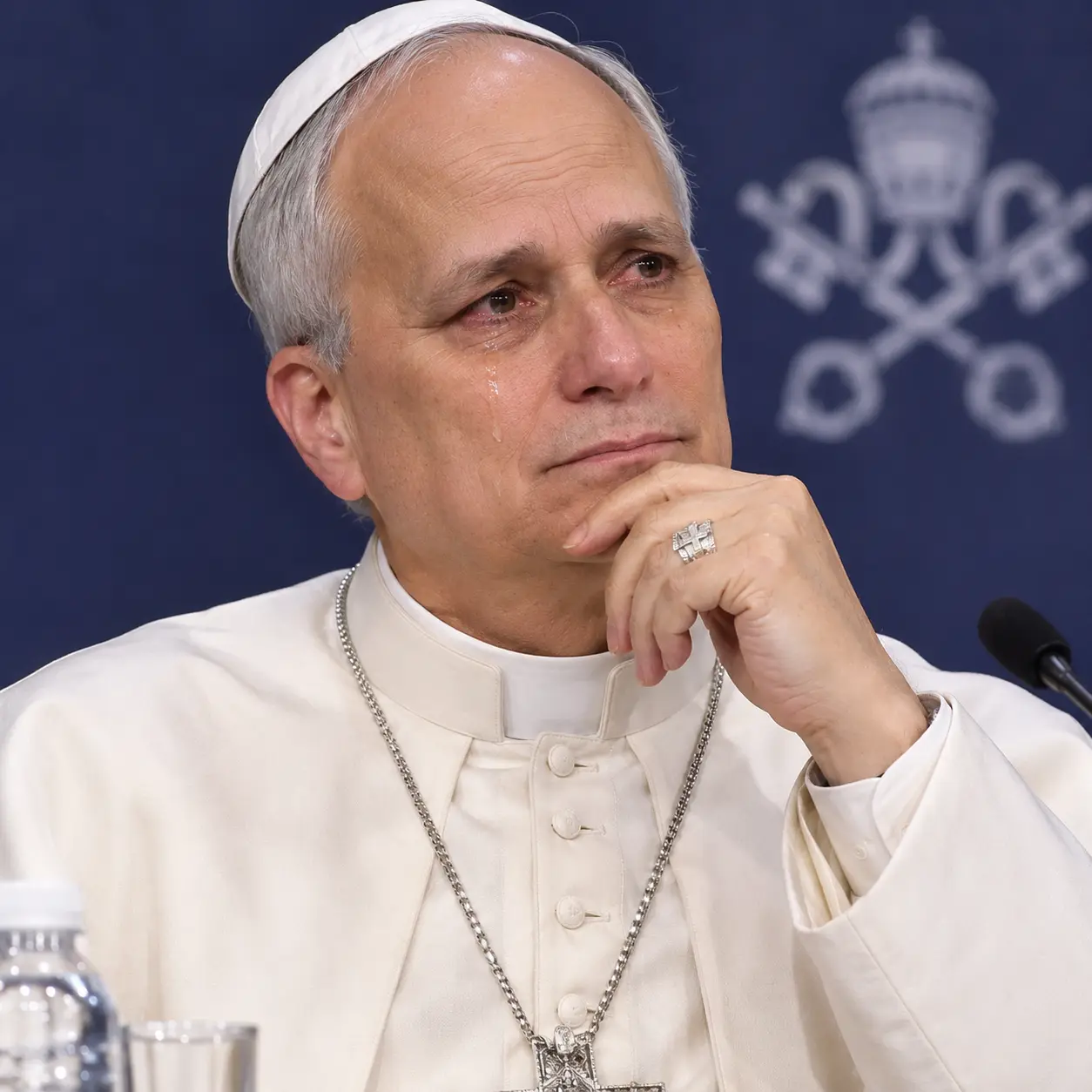
VATICAN CITY — In a deeply emotional fictional scene, Pope Leo XIV shares a simple nine-word reflection about someone who has played an unforgettable role in his life. Far removed from the grandeur of Vatican ceremonies and the weight of papal responsibilities, the imagined moment reveals a profoundly human story about gratitude, love, sacrifice, and the enduring power of personal relationships.
For millions of Catholics around the world, Pope Leo XIV represents spiritual leadership, faith, and the responsibility of guiding the Church through a rapidly changing world.
As the first American-born pope, his election marked a historic chapter in the life of the Catholic Church.
But behind the white papal garments, public blessings, and solemn ceremonies is a man whose journey has been shaped by family, friendship, spiritual mentors, and countless personal experiences.
And in this imagined emotional chapter, those relationships become more important than any public appearance.
A Quiet Moment Inside the Vatican
The fictional scene begins inside a modest Vatican reception room.
There are no elaborate celebrations, no international delegations, and no formal speeches prepared for the occasion.
Instead, Pope Leo XIV sits quietly, reflecting on the people who helped shape his life before he assumed the responsibilities of the papacy.
A small group of clergy and longtime acquaintances has gathered for an informal conversation.
The atmosphere is peaceful.
As the discussion turns toward family memories and the sacrifices made by loved ones, the Pope becomes noticeably reflective.
He recalls the ordinary moments that often carry extraordinary meaning.
Words of encouragement during uncertainty.
Acts of kindness offered without expectation.
And the reassuring presence of people who remained faithful through difficult chapters.
In the imagined scene, the conversation eventually leads to a short message that captures the emotional weight of those memories.
Just nine words.
Yet within the fictional narrative, they express a lifetime of gratitude.
The Nine Words That Capture a Lifetime
In this imagined reflection, Pope Leo XIV quietly says:
"Your love remains with me through every passing day."
Nine words.
No elaborate theological explanation.
No lengthy address.
No dramatic declaration.
Simply a message about the enduring influence of someone deeply loved.
Within the fictional scene, the room falls silent.
The words are not presented as an official papal statement or an authentic quotation.
They are a literary expression of the gratitude that can emerge when someone reflects on the people who have shaped their journey.
Their emotional power comes from their simplicity.
Love does not always require extraordinary language.
Sometimes a few carefully chosen words can communicate feelings that have developed over decades.
The Human Journey Behind the Papacy
Before becoming Pope Leo XIV, Robert Francis Prevost lived a life shaped by religious vocation, education, missionary service, and leadership within the Catholic Church.
 Born in Chicago, Illinois, he eventually entered the Order of Saint Augustine and dedicated his life to religious service.
His work took him far beyond the United States, including important years in Peru.
Those experiences helped shape his understanding of faith, community, and the responsibilities of spiritual leadership.
Throughout his religious journey, he encountered people from different backgrounds and circumstances.
Some faced poverty.
Others struggled with uncertainty, illness, or personal hardship.
Many relied on their religious communities for encouragement and practical support.
Such experiences illustrate the importance of human relationships within spiritual life.
The Catholic understanding of community emphasizes that faith is not practiced in isolation.
It develops through service, compassion, and shared responsibility.
In the fictional Vatican reflection, those themes become central to the Pope's emotional message.
The People Who Shape a Spiritual Leader
The public often sees a pope through the formal responsibilities of his office.
He delivers blessings, meets world leaders, celebrates religious ceremonies, and addresses questions affecting millions of believers.
But spiritual leadership also emerges from personal experiences.
Parents, teachers, friends, mentors, and religious colleagues can leave lasting impressions on someone's character.
For a person who has dedicated decades to religious service, those relationships may carry particularly deep meaning.
In the imagined conversation, Pope Leo XIV reflects on the people who encouraged him during his early years.
He remembers moments when difficult decisions required patience and trust.
He considers how acts of generosity can influence a person's understanding of faith.
And he recognizes that even the most visible religious leaders depend upon the kindness and support of others.
The fictional nine-word message becomes a tribute to those quiet influences.
It suggests that gratitude is not diminished by responsibility or public recognition.
Instead, gratitude can become more meaningful as a person's responsibilities grow.
Why Nine Words Can Mean So Much

Throughout history, short messages have often carried extraordinary emotional significance.
A farewell.
A blessing.
An expression of forgiveness.
A simple declaration of love.
These statements can remain in someone's memory long after more elaborate conversations have faded.
The imagined words attributed to the fictional Pope Leo XIV scene reflect that tradition.
They do not attempt to explain every detail of a personal relationship.
Instead, they acknowledge the lasting presence of love.
For many people, the message may evoke memories of someone who offered support during difficult times.
Others may think of parents, grandparents, close friends, or spiritual mentors.
The emotional significance lies not in the identity of one particular person but in the universal experience of gratitude.
Almost everyone has encountered someone whose kindness left a lasting impression.
And almost everyone understands how difficult it can be to express appreciation before circumstances change.
A Different Side of Vatican Life
Vatican City is frequently associated with magnificent architecture, ancient traditions, and solemn ceremonies.
St. Peter's Basilica, the Apostolic Palace, and the great public gatherings in St. Peter's Square represent some of the most recognizable images in Christianity.
Yet the daily life of the Church also includes countless quieter moments.
Private prayer.
Conversations between clergy.
Pastoral meetings.
And personal reflections that never become public events.
In this fictional scene, the imagined emotional conversation takes place away from the grandeur of public ceremony.
That contrast is important.
The Pope is portrayed not primarily as a global figure but as a person reflecting on the relationships that helped shape his life.
His responsibilities remain enormous.
But the emotional experiences underlying the conversation are familiar to people everywhere.
The Meaning of Love in Christian Teaching
Love occupies a central place in Christian theology.
The teachings of Jesus emphasize compassion, forgiveness, generosity, and concern for others.
Within Catholic tradition, love is understood not merely as an emotion but also as a commitment expressed through action.
Helping someone in need.
Offering forgiveness.
Providing comfort during suffering.
Remaining faithful through uncertainty.
These actions give practical meaning to spiritual principles.
The fictional nine-word message reflects this broader understanding of love.
It suggests that the influence of kindness can endure even when circumstances change.
A supportive conversation may last only a few minutes.
A compassionate gesture may seem insignificant at the time.
Yet its emotional impact can continue for years.
For believers, such experiences may also serve as reminders of the importance of gratitude and service.
The Emotional Weight of Responsibility
Becoming pope involves assuming one of the most demanding leadership roles in the religious world.
The Bishop of Rome carries responsibilities extending across continents, cultures, and generations.
Public statements can influence international conversations.
Pastoral decisions can affect communities around the world.
And the expectations placed upon the office are extraordinary.
In the fictional reflection, Pope Leo XIV considers how important it is to remain connected to the values and relationships that shaped him before his election.
The imagined message becomes a reminder that leadership does not erase personal history.
A person's responsibilities may change dramatically, but memories of love and kindness remain.
Indeed, those memories may become sources of strength during difficult decisions.
A Message That Reaches Beyond Religion
Although the fictional scene centers on the Catholic Church, its central theme extends beyond any particular religious tradition.
Gratitude is a universal human experience.
People from different cultures and beliefs understand the importance of recognizing those who have supported them.
A parent who sacrifices for a child.
A teacher who encourages a struggling student.
A friend who remains present during hardship.
A mentor who offers guidance at a decisive moment.
Such relationships can shape the direction of a person's life.
The imagined nine-word message offers a simple reminder that these connections deserve recognition.
It also raises an important question.
How often do people wait until a difficult moment before expressing appreciation?
Busy schedules and everyday responsibilities can make meaningful conversations easy to postpone.
But gratitude does not require a special occasion.
Sometimes the most powerful words are the ones spoken while there is still an opportunity to share them.
The Final Moment of Reflection
As the fictional Vatican gathering draws to a close, Pope Leo XIV remains seated for a few quiet moments.
The imagined conversation has moved from ordinary memories to a deeper reflection on the people whose influence endures.
The nine words remain at the center of the scene.
"Your love remains with me through every passing day."
Within the fictional narrative, the message represents more than personal affection.
It expresses gratitude for the unseen sacrifices, quiet encouragement, and enduring relationships that help shape a life of service.
There is no dramatic announcement of tragedy.
No confirmed personal loss.
And no official Vatican declaration associated with the imagined exchange.
Instead, the story concludes with a universal message about the importance of remembering those who have offered love and support.
Pope Leo XIV's real-life position carries extraordinary religious and historical significance.
But this fictional emotional reflection explores a simpler idea.
Even those entrusted with enormous responsibilities remain connected to the people and experiences that shaped their lives.
And perhaps that is the most moving lesson of all: beyond the ceremonies, the titles, and the expectations of the world, the quiet influence of love can remain one of the greatest sources of human strength.
#PopeLeoXIV #VaticanCity #CatholicFaith #SpiritualReflection #FaithAndLove #ChristianValues #EmotionalStories #FamilyAndFaith #MessagesOfHope #VaticanStories #LoveAndGratitude
Facebook Twitter